

 Tours
Amboseli National Park is a year-round safari destination, but the experience varies depending on the season. Weather, wildlife movement, and visibility of Mount Kilimanjaro all influence the best time to visit.
👉 Read the full safari guide here: Amboseli National Park Safaris (Ultimate Guide 2026)
Dry Season (June to October & January to February)
The dry season is widely considered the best time to visit Amboseli. During this period:
- Wildlife gathers around water sources
- Vegetation is sparse, making animals easier to spot
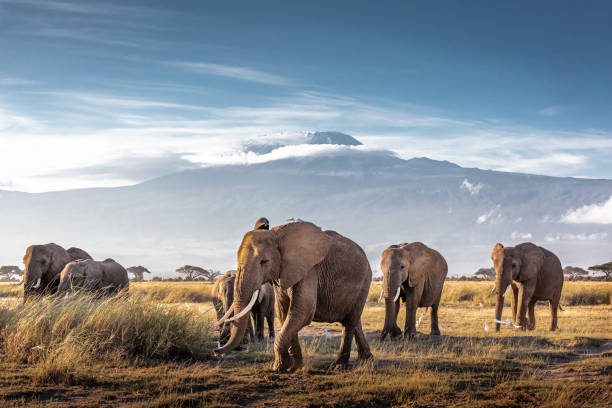
- Kilimanjaro is more visible due to clearer skies
This is peak safari season, offering excellent game viewing opportunities.
Green Season (March to May)
The long rains transform Amboseli into a lush, green landscape. While wildlife can be harder to spot due to thick vegetation, this season offers:
- Fewer tourists
- Beautiful scenery
- Excellent birdwatching opportunities
Road conditions can be challenging, but the park is still accessible.
Short Rains (November to December)
This period offers a balance between good wildlife viewing and fewer crowds. The park becomes greener, and the air is fresh, creating great photography conditions.
Month-by-Month Highlights
- January–February: Excellent wildlife viewing, fewer crowds
- March–May: Lush scenery, best for birdwatching
- June–October: Peak safari season, best overall experience
- November–December: Quiet, scenic, and affordable
Kilimanjaro Visibility
The best views of Kilimanjaro occur early in the morning and late in the evening, especially during the dry season. Cloud cover during rainy months may obscure the mountain, but when visible, it creates stunning scenery.
When Should You Visit?
If your goal is wildlife viewing, visit during the dry season. If you prefer fewer crowds and greener landscapes, the rainy season is a great alternative. Amboseli offers a rewarding safari experience regardless of when you visit.


