


 Tours
Best Time to See the Mara River Crossing: A Guide
The Mara River Crossing is one of the most spectacular wildlife events on the planet. It marks a critical phase of the Great Migration, where millions of wildebeests, zebras, and other herbivores cross the Mara River in search of fresh grazing lands. For safari enthusiasts and nature lovers, witnessing this breathtaking scene is a must. But when is the best time to see the Mara River Crossing? This guide will help you plan your trip to maximize your chances of experiencing this incredible natural phenomenon.
Understanding the Great Migration and the Mara River Crossing
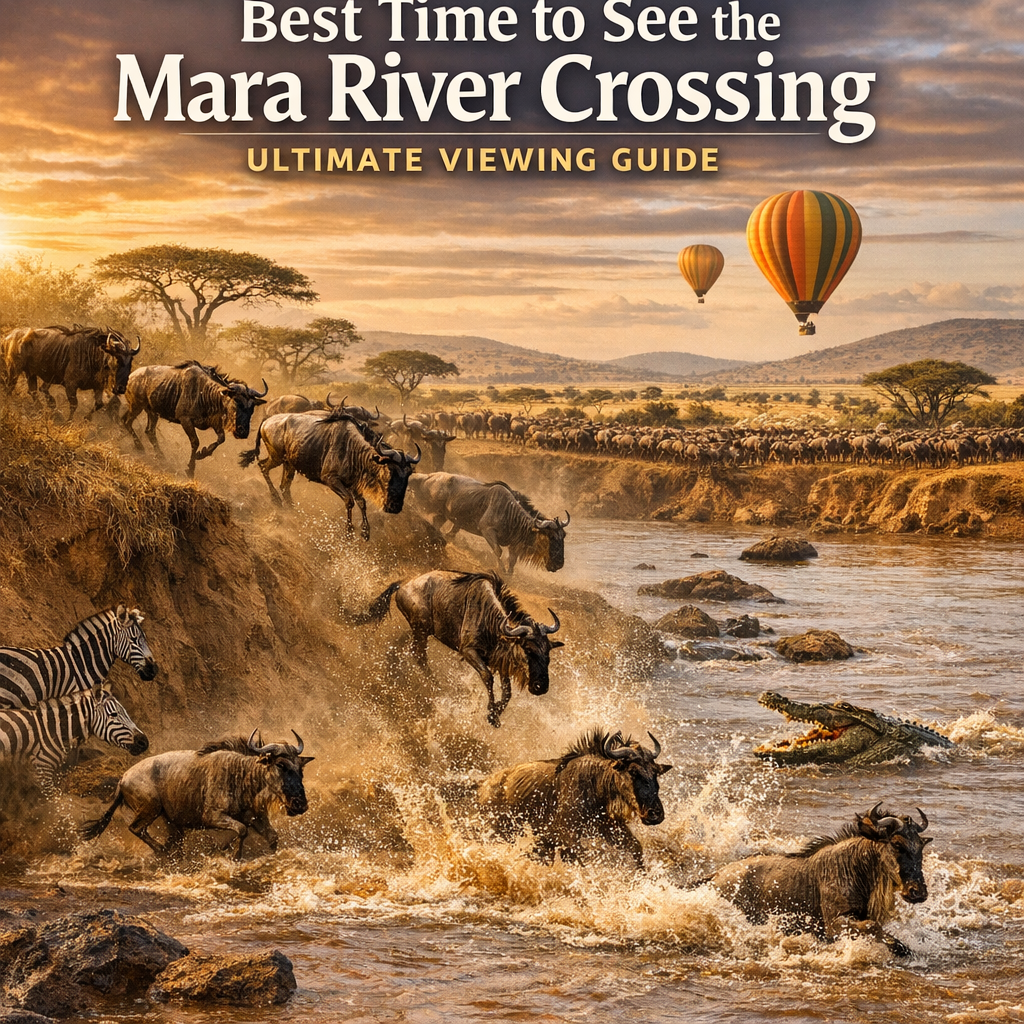
The Great Migration is an annual movement of over 1.5 million wildebeests, along with hundreds of thousands of zebras and antelopes, across the Serengeti in Tanzania and the Maasai Mara in Kenya. This migration is driven by seasonal rains and the search for fresh pastures.
The Mara River Crossing is one of the most dramatic moments during this migration. Animals must brave the crocodile-infested waters and strong currents to reach greener pastures on the other side. This crossing is not only a test of courage but also a vital natural process in the ecosystem.
When Does the Mara River Crossing Happen?
Peak Time: July to September
The best time to see the Mara River Crossing is between July and September. During these months, the migration herds amass in the southern Serengeti before moving north into the Maasai Mara National Reserve in Kenya.
- July: Sightings often begin as herds gather near the riverbanks.
- August: The river crossings increase in frequency and intensity.
- September: This is typically the peak month for the most dramatic crossings.
The timing can vary each year depending on weather patterns, rainfall, and food availability. Still, these months generally offer the highest chance to witness the crossings.
Early Arrivals and Late Crossings
While July to September is peak season, some crossings can occur slightly earlier in June or later in October. However, these are less predictable and often involve smaller groups.
Tips to Maximize Your Mara River Crossing Experience
Choose the Right Location
The Mara River stretches across several key crossing points, but some areas are renowned for more frequent crossings:
- Mara North Conservancy: Offers a less crowded experience with excellent wildlife viewing.
- Talek River Crossing: Located near the Talek River, a tributary known for dramatic crossings.
- Mara Triangle: Famous for large herds and abundant predators.
Book a Guided Safari Tour
Experienced guides know the migration routes and can position you in the best spots for viewing and photography. Many safari operators offer specialized migration tours focused on the river crossing.
Be Patient and Flexible
The migration is unpredictable and animals don’t follow a strict schedule. Prepare to wait and be patient — sometimes the river crossing happens quickly and unexpectedly.
Bring the Right Gear
- Binoculars and telephoto lenses help spot herds from a distance.
- Waterproof clothing can be useful during the rainy season.
- Sunscreen, hats, and plenty of water are essential for long periods outdoors.
What to Expect During the Crossing
Witnessing the Mara River Crossing is thrilling and emotional. Animals hesitate at the riverbank, looking for safe crossing points. Crocodiles lurk beneath the surface, making the water perilous. Wildebeests and zebras form tight clusters before launching into the water, fighting strong currents and dodging predators.
Predators such as crocodiles, lions, and hyenas take advantage of this chaotic moment, creating a tense atmosphere that underscores the brutality and beauty of the wild.
Other Wildlife to Watch for During Migration Season
While the Mara River Crossing steals the spotlight, the migration season offers rich wildlife experiences, including:
- Large prides of lions hunting the herds
- Packs of hyenas scavenging along migration routes
- Cheetahs and leopards in pursuit of prey
- Diverse birdlife attracted to the abundance of animals
Planning Your Trip
Where to Stay
Accommodations range from luxury lodges to tented camps close to the Mara River. Staying nearer to the crossing points increases your chances of early and prolonged viewing.
Park Fees and Permits
Be aware of national park fees and permits required to enter the Maasai Mara and nearby conservancies. Pre-booking is advised, especially during peak migration months.
Health and Safety
Consult your travel doctor about vaccinations and malaria prevention. Follow guides’ instructions carefully to ensure safety around wildlife.
Conclusion
The best time to see the Mara River Crossing is an unforgettable experience that requires a bit of planning and flexibility. By visiting between July and September, choosing the right locations, and relying on expert guides, you maximize your chances of witnessing this awe-inspiring spectacle. Whether you are an avid photographer, wildlife enthusiast, or a curious traveler, the Mara River Crossing offers a glimpse into one of nature’s most remarkable stories of survival and resilience. Plan well, stay patient, and prepare for a safari adventure of a lifetime.


